If not universal it’s perhaps close enough: the slow drive down a familiar street, passing landmarks that once were wayside markers of a daily routine now long-since gone. That familiar sense of place is like a faint smell of a once-favorite dish, like the passing glance at a face remarkably similar to a long-lost lover. It’s both known and, in the passing moment, unknown. “I used to belong here.”
As you pass you may perhaps even see people like you once were—walking across the street, ordering coffee in the shop, exiting cars parked in “your” spot—and it’s like watching a TV through a storefront window: seeing a memory made in real-time. But no longer yours, but theirs. You are now merely observing, no longer living.
If you reached out, as it were, towards the unfolding scene you’d feel the dull thud of your hand—your life—against the screen. What is visible is now behind a barrier. It’s a barrier of wounds, choices, changes: a permanent line between past and present.
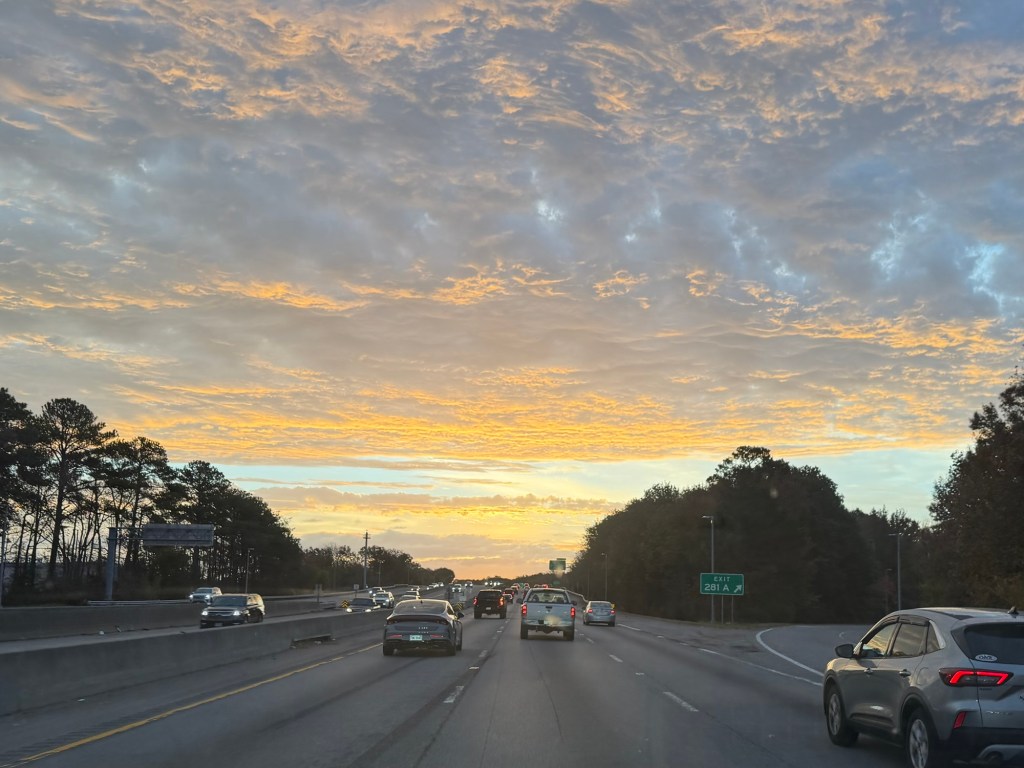
The car carries you past that place and its now-frozen moments of what once-was. That life formerly effortlessly accessible is now a billboard in the rearview mirror, fading in the distance. What does the passing glance elicit? What is the actual feeling of memory?
Hard to say. What is the feeling of reaching deeply into the sandy beach, only to watch it sift through your fingers? What is the feeling of taking flight, seeing the ground rush away beneath you and all sense of proximity become skewed? To see the minute and intimate become the distant, spatially absurd landscape soon-covered by clouds. What is the feeling of watching a ticking clock’s hands? To observe their unrushed journey ’round the face, unfazed and unaffected by naught but its mechanical nature: marking time that is only able to be observed and lived but never paused, slowed, or turned back.


Leave a Reply